UK house prices demonstrated remarkable resilience in 2024, with the average property price increasing by approximately 25% since 2020. By December 2024, the average house price reached £269,426, nearing the all-time high recorded in summer 2022.
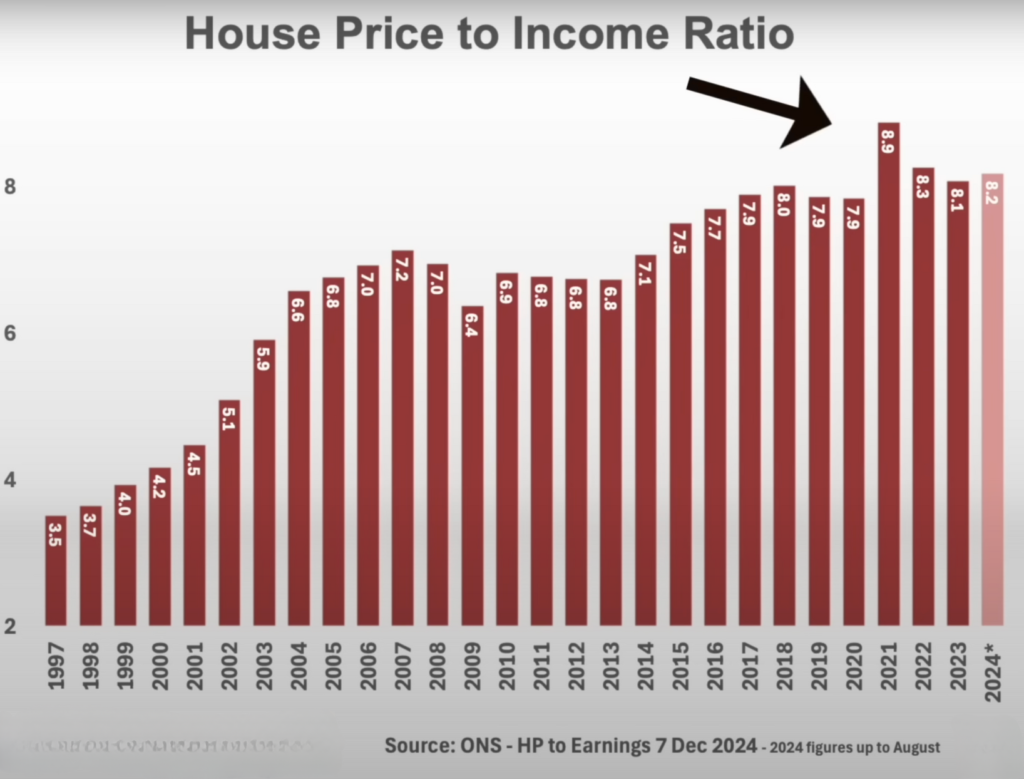
Average Price to Median wages
When house price to incomes reached arecord level in 2022, there was significantamount of speculation with rising interestrates and the market was due a well neededcorrection.
UK House prices
A lot of people look at the housing market and feel the the housing in the UK is too expensive and should fall. But prices in the Uk are following their own trajectory, driven by rising rents, relatively low interest rates and injections of wealth.
2025 Outlook Prices to Rise or fall
The ONS reported that UK house prices rose by 3% in 2024 to an average of £292,000, but it has since downgraded and revised earlier data, reflecting adjustments in methodology and highlighting the challenges of capturing real-time housing trends accurately.
Cost of Homeownership
Inflation remains a concern, with owner occupied costs rising faster than the overall rate, driven by factors such as higher remortgaging costs due and escalating property maintenance expenses.
Average Mortgage rate to Fall?
Earlier in the year, with inflation temporarily falling below target, there was optimism about interest rates dropping, with Goldman Sachs predicting rates of 2.75% by the end of 2025 and others suggesting similar levels by 2027 or 2028.While such forecasts are encouraging, it’s unwise to rely too heavily on long-term predictions, as global events and economic shifts can significantly alter outcomes.
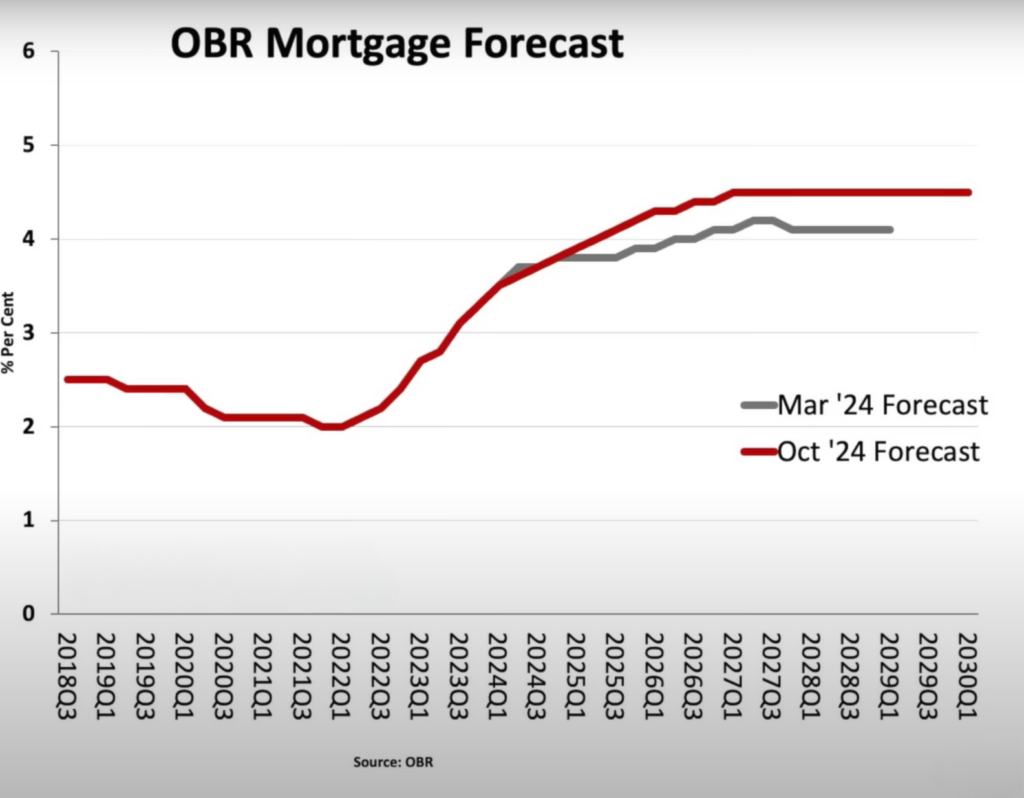
Average Mortgage rate to OBR?
The OBR is less optimistic about predictions of falling interest rates, instead forecasting that rates will flatline and remain elevated for a more extended period, reflecting concerns over persistent inflationary pressures and economic uncertainty.
Real GPD Growth
The OBR’s more cautious outlook stems from the recent budget, which includes increased government spending that is expected to exert upward pressure on inflation in the short term.Combined with the risks of higher prices and tariffs, inflation is likely to remain above the government’s target for a considerable period.
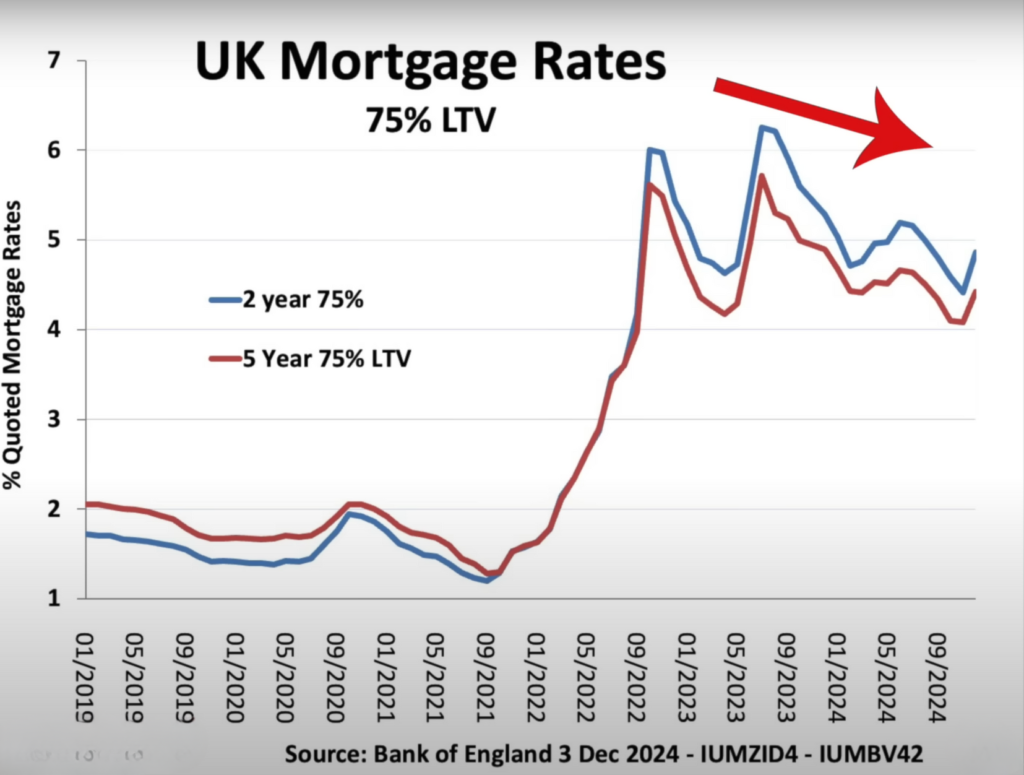
UK Mortgage Rates
Mortgage rates have fallen since their peaks in 2022 and 2023, and while some buyers might be tempted to wait in the hope of further reductions, they could be left disappointed, as predicting interest rates is notoriously difficult, especially in such unsettled and unpredictable economic times.
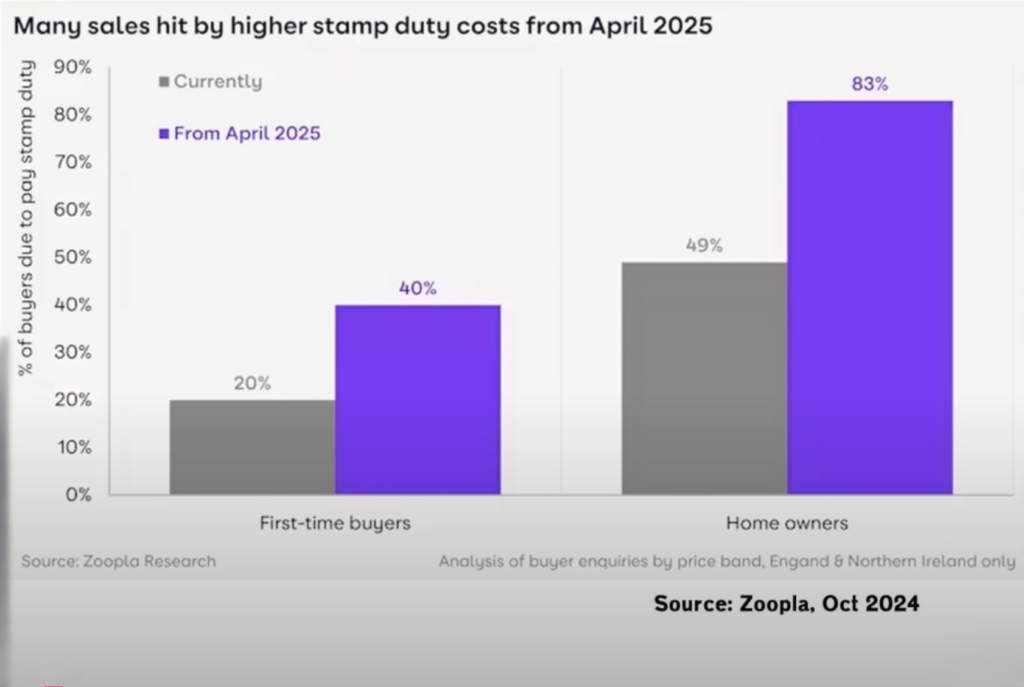
Stamp Duty changes
In April, stamp duty thresholds will drop from £250,000 to £125,000 for homeowners and from £425,000 to £300,000 for first-time buyers, bringing many more buyers into tax brackets, while higher rates on second homes mean an investor purchasing a £500,000 property would pay £40,000 in stamp duty.
Incomes
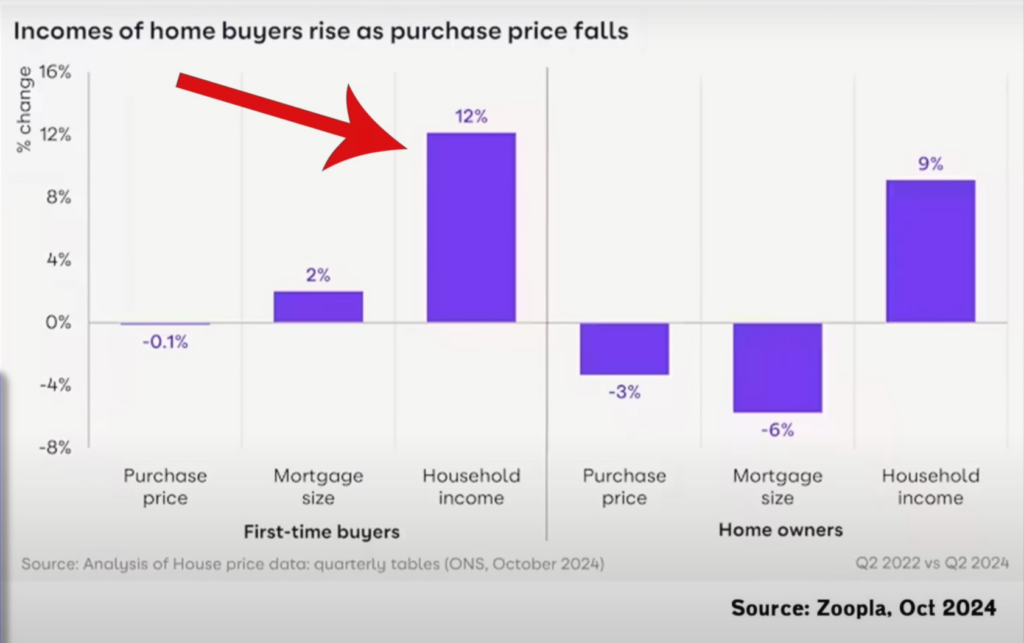
House price resilience in 2024 has been largely supported by rising household incomes, with wages increasing to keep pace with inflation. According to Zoopla, household incomes have risen by 12% over the past two years, which, combined with stagnating house prices, has helped maintain affordability in relative terms. Whether this resilience continues will depend on factors like sustained wage growth, interest rate stability, and the broader economic environment.
Sales Market Activity
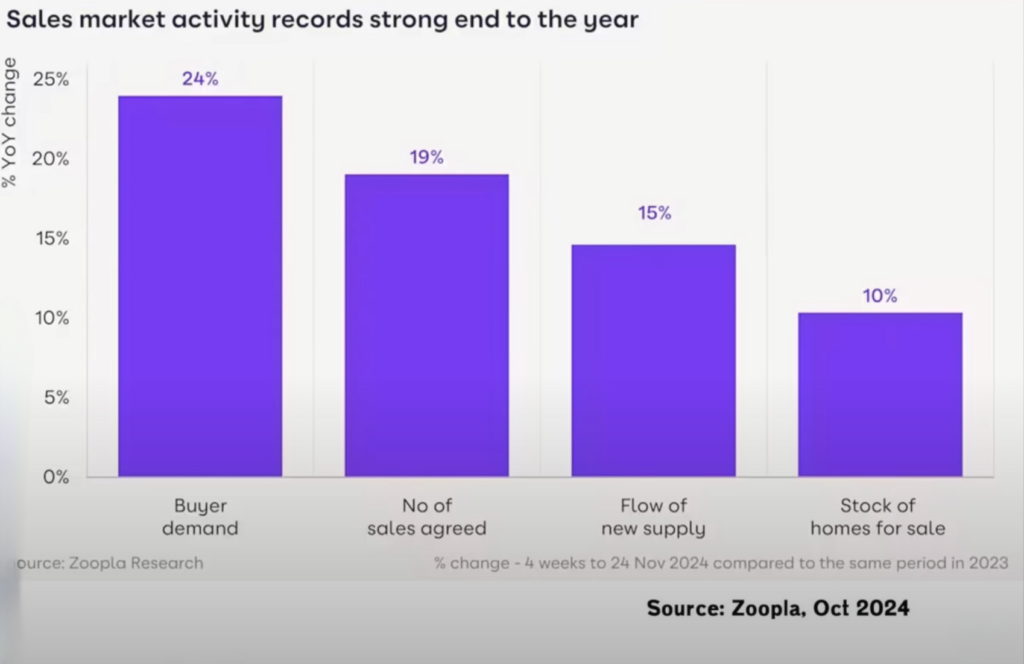
This helps explain why we’ve seen stronger-than-expected demand in the housing market—a combination of stagnating house prices and rising wages has supported buyer affordability. However, with the OBR predicting earnings growth at around 2.5% in 2024 but falling to zero by 2026/7, the longer-term outlook may challenge this resilience, potentially dampening demand if wages fail to keep pace with inflation and living costs.
Mortgage Approvals
Mortgage approvals are beginning to rise, nearing the long-term average, which is an encouraging sign that could carry into 2025. While economists have highlighted that the UK is currently the fastest-growing economy in the G7 for 2024, the OECD’s upgraded growth forecast of 1.7% remains modest, especially when considering the government’s increasing debt burden and a growing population, which may strain resources and limit economic momentum.
Real House Prices
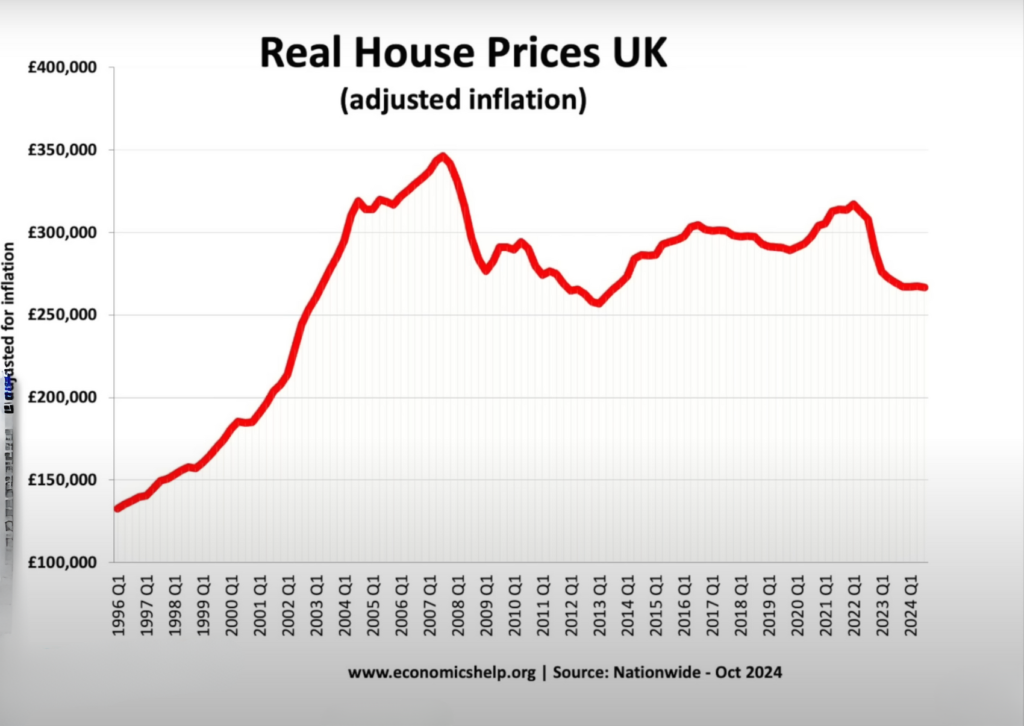
While house prices have nominally risen by 25% since 2020, inflation reduces the real value of this increase, and when looking back to 2007, house prices have effectively dropped by 22% – a significant loss in real terms once inflation is accounted for.
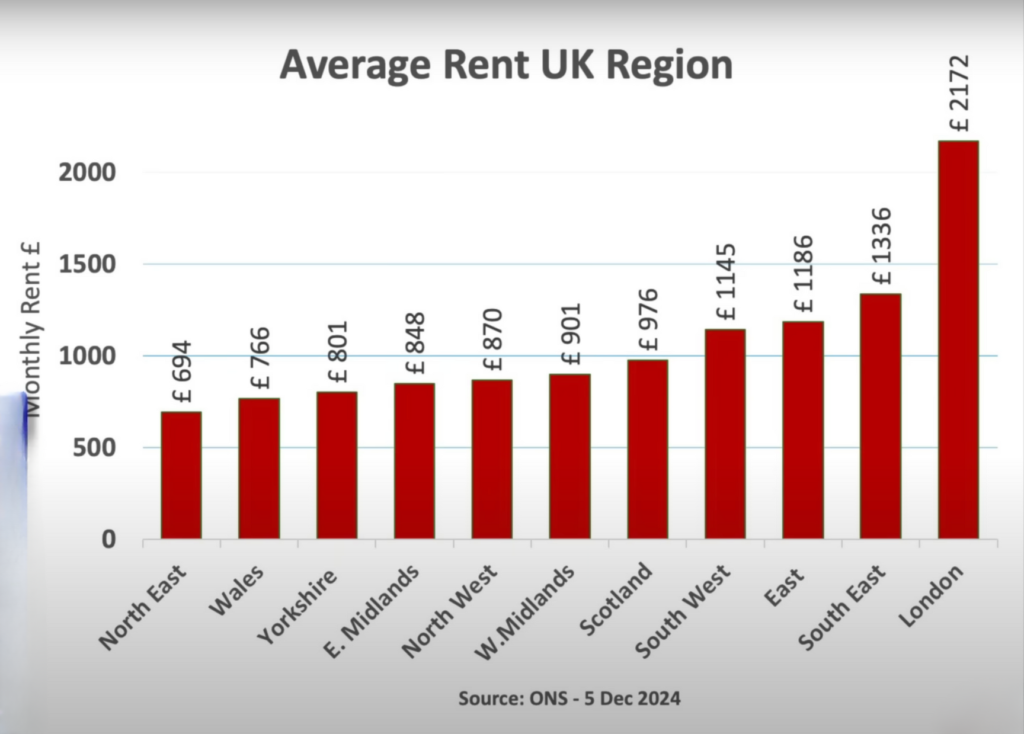
Rents
Rents have been rising faster than inflation, driven by population growth and limited supply in the market, with an 8.7% increase recorded in the 12 months to October.
Buy to let
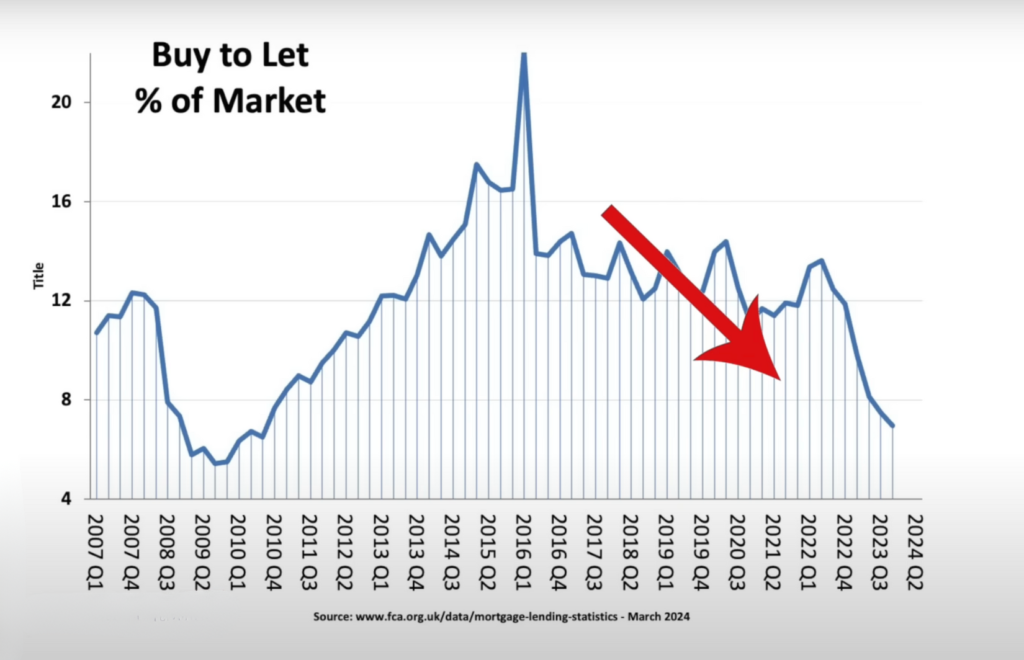
The buy-to-let market has been diminishing as investors face poor capital growth, higher taxes, and increased regulation.
Avg Rents
Average rents in GB are becoming unaffordable for many.
Buy to Let
With investors seeing poor capital growth, higher tax and more regulation, the buy to let market has been diminishing.
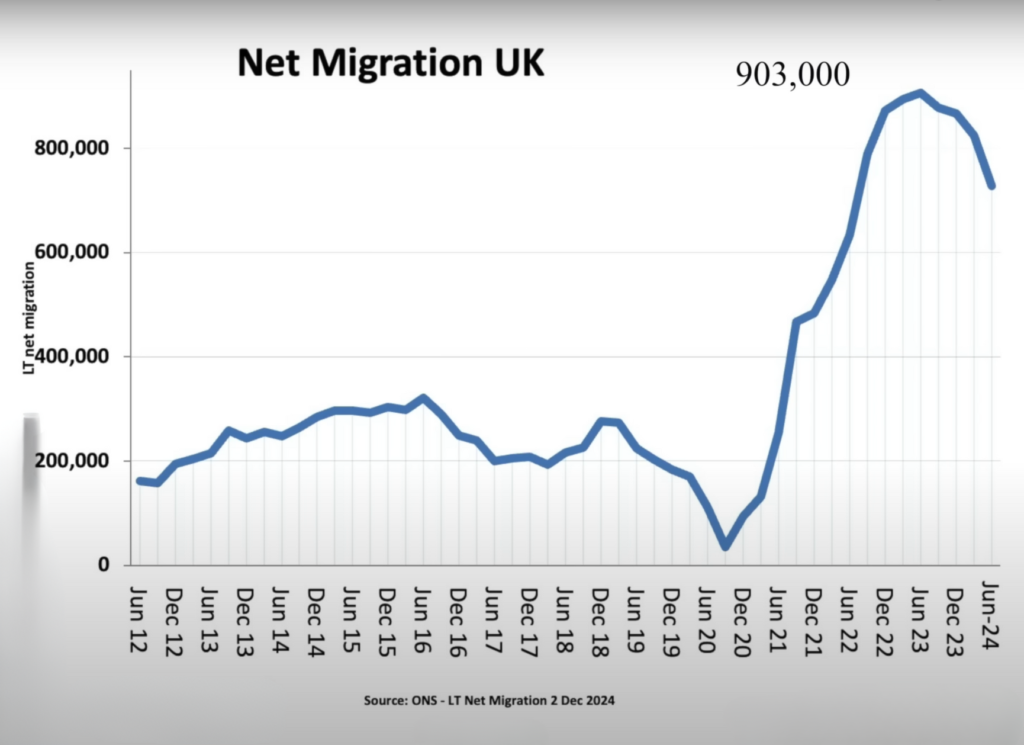
Migration
High net migration of 903,000 has intensified pressure on housing supply and demand, yet the market has not remained attractive to investors due to rising taxes, stricter regulations, and stamp duty, prompting many to consider exiting.
Living with Mum and dad
In 2022, a record number of 18 to 34-year-olds continued living at home, prioritising saving for a deposit over spending on rent. Meanwhile, wealthy parents played a significant role in helping their children enter the property market, contributing a record £9.4 billion last year through financial gifts and support from the “Bank of Mum and Dad.”
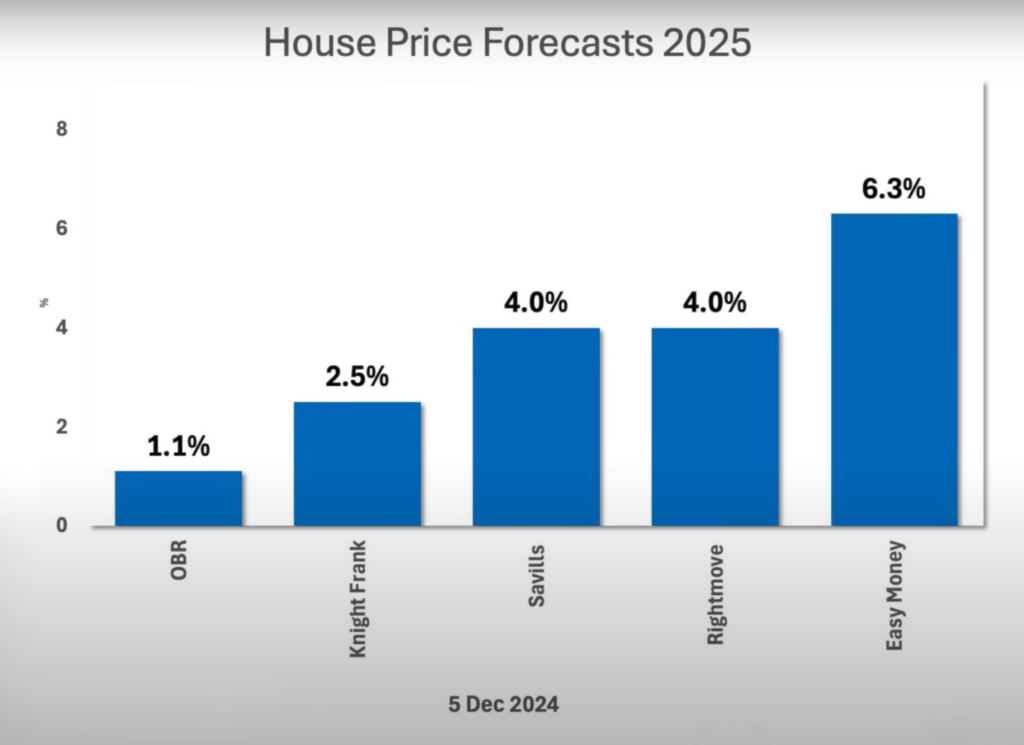
House price forecast 2025
The 2025 outlook, according to The Economist, suggests that house prices are expected to maintain steady growth. However, potential factors that could lead to a decline include a significant economic slowdown, a recession, a peak in unemployment, or cost-push inflation driving interest rates higher once again.